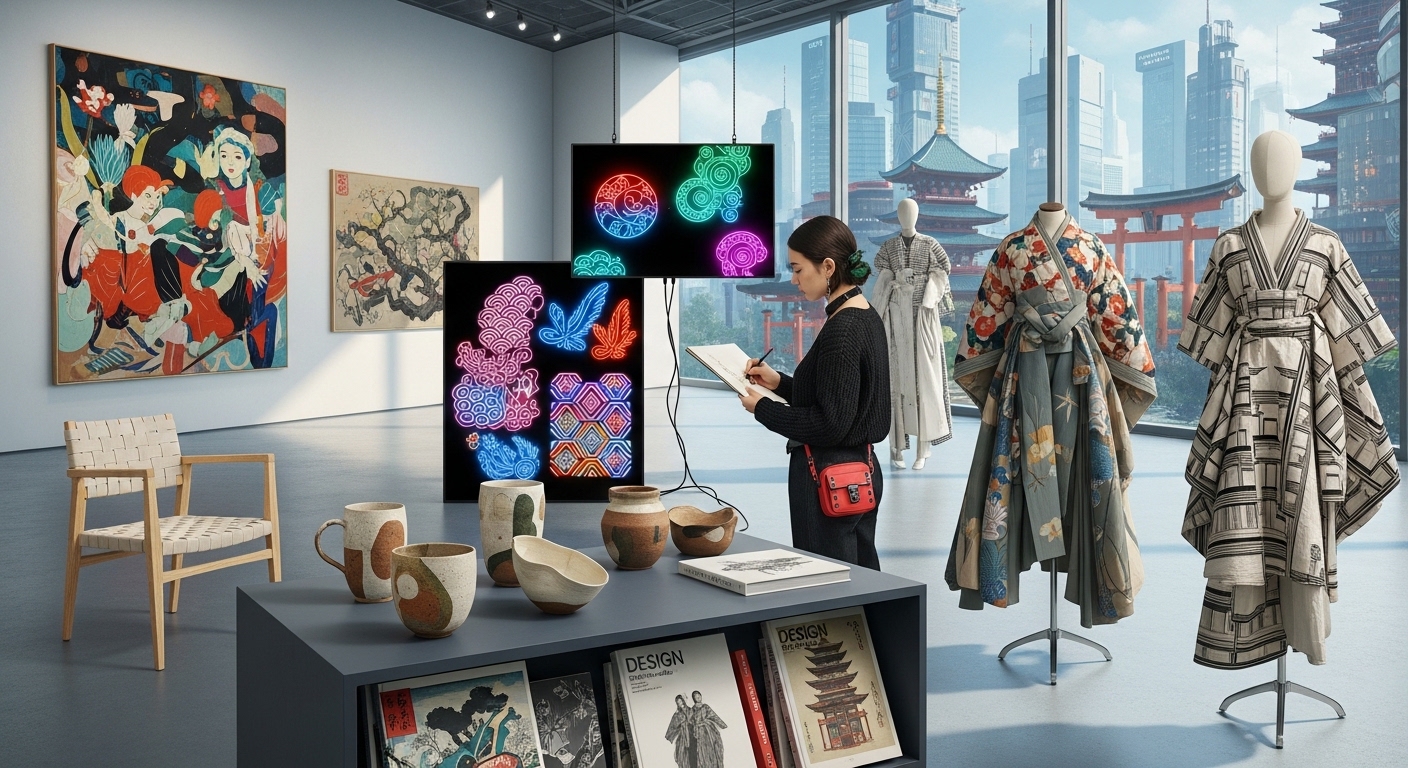
The creative world is constantly evolving, yet certain underlying forces quietly shape its direction. One such emerging concept is Jyokyo, a subtle yet powerful influence that has begun redefining how artists and designers approach their craft. From visual storytelling to spatial design, Jyokyo introduces a deeper layer of meaning that goes beyond surface-level aesthetics. Its presence is not always obvious, but its impact can be felt across modern creative disciplines.
As discussions around how Jyokyo influences contemporary art and design trends grow, it becomes clear that this concept is more than a passing idea. It reflects a shift toward intentional creativity, where context, emotion, and environment play a critical role. Artists and designers are increasingly embracing this philosophy, allowing their work to resonate more deeply with audiences in a world saturated with visual content.
The Origins and Conceptual Meaning of Jyokyo Influences Contemporary Art and Design Trends
To fully grasp how Jyokyo influences contemporary art and design trends, it is important to understand its conceptual roots. Jyokyo can be interpreted as a blend of context, atmosphere, and situational awareness that shapes creative expression. It is not confined to a single discipline but exists as a cross-cultural idea that connects emotion with environment. This makes it particularly relevant in a globalized creative landscape where influences constantly intersect.
Historically, similar ideas have existed in various artistic traditions, where the surroundings and emotional tone of a moment deeply affect creative output. Today, Jyokyo acts as a modern reinterpretation of these traditions, guiding artists to consider not just what they create but why and how it exists within a broader context. This perspective encourages a more thoughtful and immersive approach to art and design.
The Psychological Impact of Jyokyo Influences Contemporary Art and Design Trends
One of the most significant aspects of how Jyokyo influences contemporary art and design trends lies in its psychological depth. Creativity is no longer seen as a purely technical skill but as an emotional and cognitive process shaped by internal and external conditions. Jyokyo emphasizes the importance of mood, perception, and environmental cues in shaping artistic decisions.
Designers, for instance, now consider how users will emotionally respond to a space or visual interface. This shift has led to more human-centered designs that prioritize experience over mere functionality. By integrating Jyokyo into their workflow, creatives are able to produce work that not only looks appealing but also feels meaningful and engaging.
Cultural Integration in Jyokyo Influences Contemporary Art and Design Trends
Cultural diversity plays a crucial role in understanding how Jyokyo influences contemporary art and design trends. As artists draw inspiration from different parts of the world, Jyokyo acts as a bridge that connects these influences into a cohesive narrative. It allows creators to blend traditional elements with modern techniques in a way that feels authentic rather than forced.
This integration has led to the emergence of hybrid styles that reflect a global identity. Whether it is in fashion, architecture, or digital art, the presence of Jyokyo ensures that cultural references are not merely decorative but deeply embedded within the work. This approach fosters a richer and more inclusive creative environment.
The Role of Technology in Jyokyo Influences Contemporary Art and Design Trends
Technology has significantly amplified how Jyokyo influences contemporary art and design trends by providing new tools and platforms for expression. Digital mediums allow artists to experiment with context and atmosphere in ways that were previously unimaginable. Virtual reality, augmented reality, and interactive design have opened up new possibilities for immersive experiences.
At the same time, technology has made it easier for creatives to share their work globally, spreading the influence of Jyokyo across different regions. This interconnectedness has accelerated the evolution of design trends, making them more dynamic and responsive to changing cultural and social conditions.
Minimalism and Complexity in Jyokyo Influences Contemporary Art and Design Trends
An interesting paradox within how Jyokyo influences contemporary art and design trends is the balance between minimalism and complexity. On one hand, Jyokyo encourages simplicity by focusing on essential elements that convey a clear message. On the other hand, it embraces complexity by incorporating layers of meaning and context that enrich the overall experience.
This duality is evident in modern design practices where clean, minimalist visuals are combined with intricate storytelling. The result is a style that is both visually appealing and intellectually engaging. Designers are no longer limited to choosing between simplicity and detail, as Jyokyo allows them to integrate both seamlessly.
Table: Key Elements of Jyokyo in Contemporary Art and Design
| Element | Description | Impact on Creativity |
|---|---|---|
| Context Awareness | Understanding the environment and situation surrounding the artwork | Enhances relevance and authenticity |
| Emotional Depth | Incorporating mood and feelings into the creative process | Creates stronger audience connection |
| Cultural Fusion | Blending diverse cultural influences | Promotes inclusivity and innovation |
| Technological Use | Leveraging digital tools for immersive experiences | Expands creative possibilities |
| Narrative Focus | Emphasizing storytelling within design | Adds meaning beyond visual appeal |
Sustainability and Ethics in Jyokyo Influences Contemporary Art and Design Trends
Sustainability has become a major consideration in how Jyokyo influences contemporary art and design trends. Creatives are increasingly aware of the environmental and social impact of their work. Jyokyo encourages them to consider these factors as part of the creative process, leading to more responsible and ethical design practices.
This shift is particularly evident in industries such as fashion and architecture, where sustainable materials and processes are becoming the norm. By aligning their work with the principles of Jyokyo, artists and designers are able to create pieces that are not only visually compelling but also socially conscious.
The Evolution of Visual Storytelling in Jyokyo Influences Contemporary Art and Design Trends
Visual storytelling has undergone a significant transformation as a result of how Jyokyo influences contemporary art and design trends. Stories are no longer confined to traditional formats but are now expressed through a combination of visuals, sounds, and interactive elements. Jyokyo plays a key role in shaping these narratives by providing a contextual framework.
This evolution has led to more immersive and engaging experiences for audiences. Whether it is in advertising, film, or digital media, the integration of Jyokyo ensures that stories resonate on a deeper level. Creatives are able to connect with their audience in ways that were previously not possible.
Challenges and Criticism of Jyokyo Influences Contemporary Art and Design Trends
Despite its growing popularity, the concept of how Jyokyo influences contemporary art and design trends is not without its challenges. Some critics argue that it can be overly abstract, making it difficult to apply in practical scenarios. Others believe that its emphasis on context and emotion may overshadow technical skills.
However, these criticisms also highlight the need for a balanced approach. While Jyokyo offers valuable insights, it should not replace traditional design principles but rather complement them. By finding the right balance, creatives can harness its potential without compromising the quality of their work.
Future Outlook of Jyokyo Influences Contemporary Art and Design Trends
Looking ahead, it is clear that how Jyokyo influences contemporary art and design trends will continue to evolve. As new technologies emerge and cultural dynamics shift, the concept will adapt to reflect these changes. This adaptability is one of its greatest strengths, allowing it to remain relevant in an ever-changing creative landscape.
The future of art and design will likely see an even greater emphasis on context, emotion, and sustainability. Jyokyo will play a central role in shaping this future, guiding creatives toward more meaningful and impactful work. Its influence will extend beyond aesthetics, redefining the very purpose of artistic expression.
Conclusion
In conclusion, understanding how Jyokyo influences contemporary art and design trends provides valuable insight into the direction of modern creativity. It represents a shift toward a more thoughtful and holistic approach, where context and emotion are as important as technique and style. This perspective has already begun to reshape various creative industries.
As artists and designers continue to explore the possibilities offered by Jyokyo, its impact will only grow stronger. It encourages innovation while preserving authenticity, making it a powerful force in the evolution of art and design. By embracing this concept, creatives can produce work that not only stands out visually but also resonates deeply with audiences.