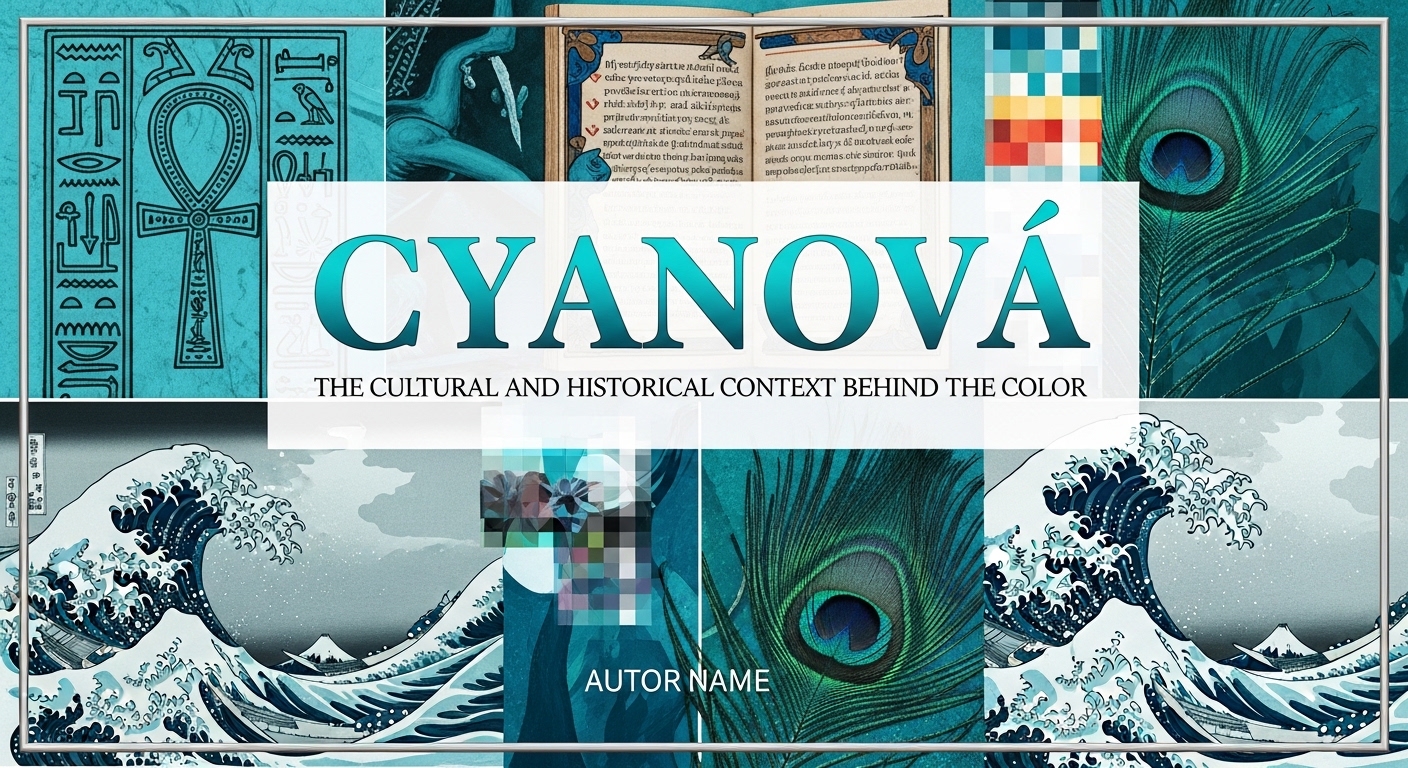
Cyanová is more than just a color; it’s an experience. This vibrant shade, nestled between blue and green on the color wheel, captivates our senses and evokes emotions that resonate deeply within us. But what exactly makes cyan so special? From its historical significance to its modern-day applications, this color has woven itself into the fabric of cultures around the globe.
Cyan has journeyed through time—its roots stretching back centuries in art and design while continuing to shape contemporary society. As we delve deeper into the cultural and historical context behind Cyanová, you’ll discover how this captivating hue has influenced everything from fashion to spirituality. Join us as we explore not only what cyan is but also why it matters in our lives today.
What is color Cyan?
Cyan is a vibrant color that sits between Cyanová blue and green on the color wheel. Its fresh, invigorating hue often evokes feelings of tranquility and clarity.
This cool shade plays a crucial role in both art and design, serving as one of the primary colors used in printing processes such as CMYK.
In digital formats, cyan shines brightly against contrasting colors, making it an essential element for effective visual communication.
The name “cyan” comes from the Greek word “kyanos,” meaning dark blue or blue-green. This linguistic journey highlights its historical importance across various cultures.
Whether seen in nature’s clear skies or tropical waters, cyan captures attention effortlessly. It radiates energy while still maintaining a sense of calmness—an intriguing balance that continues to inspire artists and designers alike.
Origins and significance of the word
The term “Cyanová” has its roots in the Greek word “kyanos,” meaning dark blue. This etymology captures the essence of cyan as a bridge between blue and green, giving it a unique position on the color spectrum.
Historically, cyan was often associated with natural elements like water and sky. The connection to these vital aspects of life heightened its significance across cultures.
In art and design, “cyan” emerged during the 18th century when artists began to explore new pigments. It rapidly became popular due to its vibrant hue that could evoke emotions ranging from tranquility to creativity.
As language evolved, so did perceptions of cyanova. Today, it holds connotations not just of beauty but also innovation—a reflection of modern society’s affinity for technology and progress.
The evolution of the color in art and design
Cyan has a rich history in art, evolving from ancient times to modern design. In the early days, artists used natural minerals and plants to create this vibrant hue. The use of turquoise stone by ancient civilizations shows its timeless appeal.
During the Renaissance, cyan became more prominent with advancements in pigment production. Artists like Vermeer incorporated it into their masterpieces, creating depth and emotion.
The 19th century saw cyan’s rise with the invention of synthetic pigments. This breakthrough allowed for broader applications in painting and textiles. It became synonymous with innovation during that era.
In contemporary design, cyan is celebrated for its versatility. Graphic designers favor it for digital media due to its eye-catching quality. From website backgrounds to logos, this color remains essential across various platforms. Its adaptability keeps it relevant as new trends emerge in artistic expression.
Cultural associations with Cyan in different parts of the world
Cyan is a color that transcends borders, resonating with diverse cultures around the globe. In many Asian countries, it symbolizes tranquility and peace. The soothing hue often appears in art and architecture, promoting harmony.
In contrast, some African cultures associate cyan with healing and protection. This vibrant shade frequently adorns traditional textiles and ceremonial attire, representing vitality.
Meanwhile, in Western contexts, cyan evokes feelings of trust and dependability. It’s commonly used in branding to foster a sense of reliability among consumers.
The Pacific Islands revere cyan as a representation of the ocean’s beauty and bounty. Here, it embodies life itself—mirroring both the sky above and the waters below.
Each cultural lens brings its own narrative to this captivating color. Cyan continues to weave through traditions worldwide, influencing perceptions uniquely wherever it appears.
Symbolism and meanings behind Cyan in different religions and belief systems
Cyan holds a unique place in various religions and belief systems, often symbolizing tranquility and healing. In Hinduism, the color is associated with Lord Krishna, who embodies love and compassion. His skin is often depicted as a shade of cyan, representing the infinite sky.
In Buddhism, cyan signifies peace and serenity. It’s seen as a representation of the clear waters of enlightenment that wash away suffering. This calming hue encourages mindfulness during meditation practices.
Christianity sometimes links cyan to spiritual purity. The color can evoke feelings of heavenliness or divine grace. Many sacred artworks use this tone to symbolize hope.
Native American cultures also embrace Cyan for its connection to water and life-giving properties. It’s deeply rooted in their traditions, reflecting harmony between nature and spirituality through ceremonial artifacts.
Historical uses of Cyan in fashion, decor, and advertising
Throughout history, Cyan has made a notable impact in the realms of fashion, decor, and advertising. This vibrant hue first gained traction during the Renaissance when artisans used natural pigments to create stunning murals and tapestries.
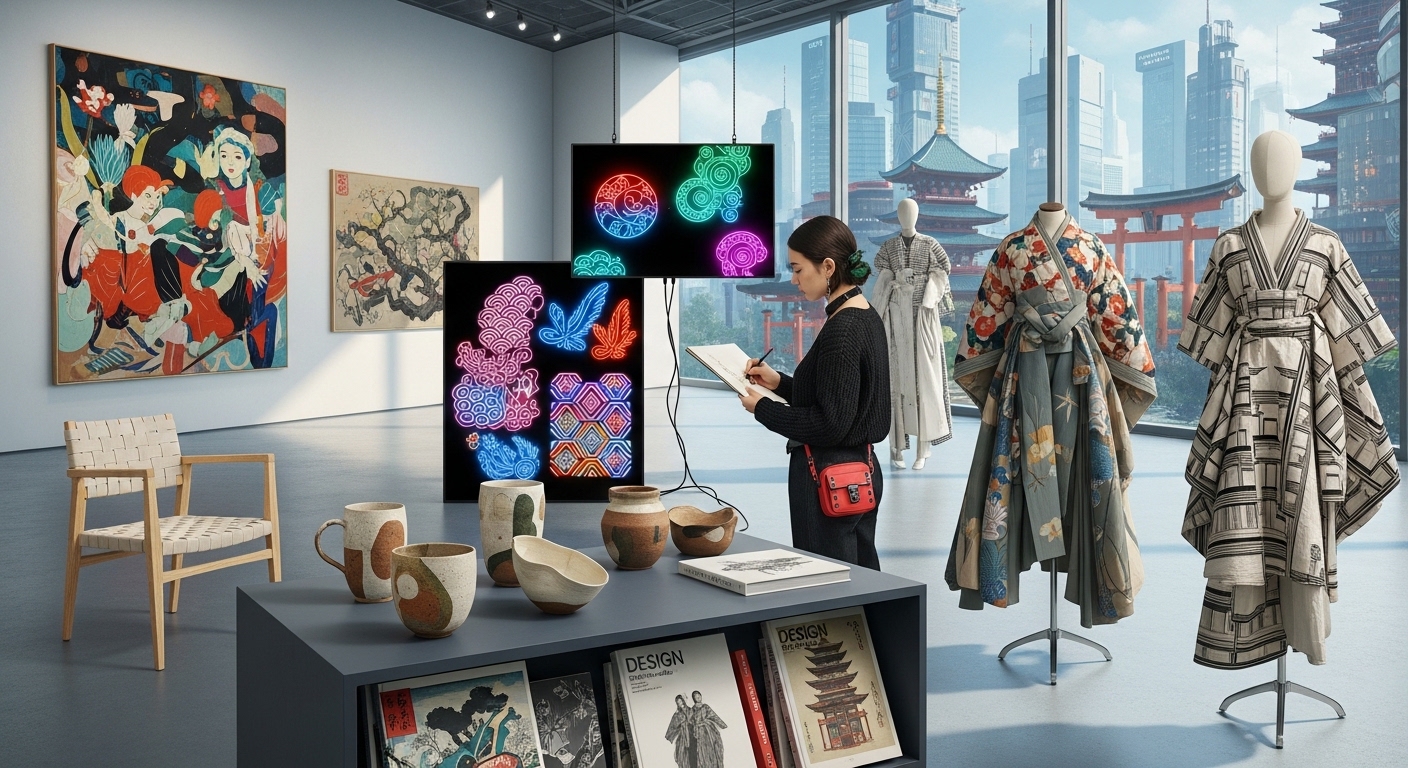
In fashion, designers have often turned to Cyan for its refreshing qualities. From haute couture runways to streetwear collections, this color embodies both elegance and modernity. It evokes a sense of calm while making bold statements.
Cyan’s influence extends into home decor as well. Many interior designers incorporate it as an accent color or centerpiece in spaces designed for tranquility. Its clarity pairs beautifully with neutral shades or can stand alone as a focal point.
Advertising also thrives on the allure of Cyan. Brands utilize this captivating shade to attract attention and convey freshness. Whether it’s packaging or billboards, Cyan creates an inviting atmosphere that resonates with consumers across various markets.
Controversy surrounding the use of Cyan in modern times
Cyan, a vibrant and captivating color, has sparked various controversies in recent years. Its presence in branding and design often brings about discussions on cultural appropriation. Some argue that the use of cyan by companies can dilute its significance in traditional cultures.
In addition to this debate, environmental concerns have also emerged around cyan pigments. The production process for synthetic dyes often involves harmful chemicals that pose risks to ecosystems and human health.
Social media further complicates the narrative. As trends shift rapidly online, certain shades of cyan become overly commercialized, leading to backlash from those who cherish its deeper meanings.
Moreover, as the digital world grows, issues arise regarding accessibility. Some users find it challenging to read text displayed in bright Cyanová due to visual strain or color blindness. This raises questions about inclusivity in design choices that prioritize aesthetics over legibility.
The enduring beauty and impact of Cyan on our society
Cyan is more than a color; it’s a vibrant expression of emotion and creativity. Its striking hue captivates the eye, infusing art and design with freshness.
In our society, Cyan often symbolizes tranquility and clarity. From digital interfaces to interior designs, it creates an inviting atmosphere that promotes relaxation.
Brands embrace its modern appeal, using Cyan in advertising campaigns to convey innovation and trustworthiness. Think about those sleek tech gadgets or refreshing beverage labels—Cyan draws you in.
Artists continue to explore this color’s potential, pushing boundaries in their work. Whether through painting or graphic design, they utilize its range from soft pastels to bold saturation.
On the fashion front, Cyan strikes a balance between playful and sophisticated. Designers leverage this hue for everything from casual wear to high-end couture.
Its impact resonates deeply across various aspects of life—reminding us of nature’s beauty and encouraging creativity everywhere we look.
Conclusion
Cyanová, the vibrant shade that dances between blue and green, holds a unique place in our visual landscape. Its significance transcends mere aesthetics; it is woven into the fabric of culture and history across the globe. The origins of this color stem from ancient languages, where it was often associated with tranquility and creativity.
Through centuries of art and design, Cyan has evolved dramatically. From its use by impressionists to its revival in modern graphic design, this color continues to inspire artists today. Each brushstroke infused with Cyan tells a story—of emotion, movement, or even serenity.
Cultural associations vary widely. In some cultures, cyan represents peace and harmony; in others, it may evoke feelings of sadness or nostalgia. These meanings are rich tapestries crafted from shared experiences and beliefs through time.
Religions also offer intriguing interpretations of Cyan. Certain faiths regard it as a symbol of healing energy while others link it to divine wisdom—a testament to how colors can communicate complex ideas without uttering a single word.
Historically speaking, fashion trends have embraced Cyan on runways around the world. It has adorned everything from haute couture Cyanová garments to casual wear—its versatility proving appealing for both designers and consumers alike. Similarly, advertisers leverage this striking hue to grab attention effectively.
Yet not all discussions surrounding Cyan are positive; contemporary debates challenge its overuse in digital media contexts where authenticity is questioned—the balance between aesthetic allure versus genuine expression remains delicate.
Despite these controversies lingering on the horizon like clouds ready for rain showers filled with promise or surprise—the enduring beauty found within every shade of cyan continues captivating hearts everywhere you look! As we incorporate aspects into various facets: be it artfully designed spaces at home or creating impactful branding—it’s clear that cyan will remain influential long after today’s trends fade away!