
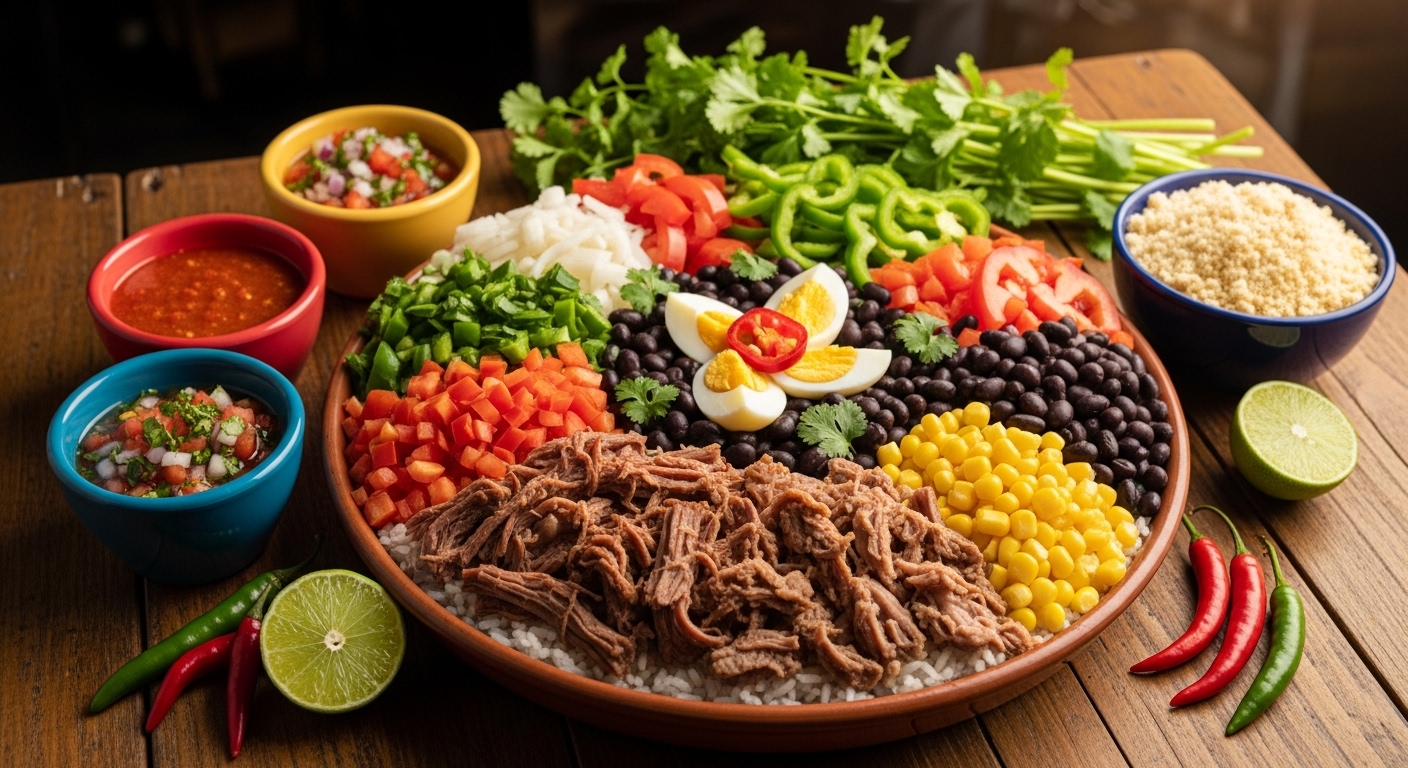
Welcome to the vibrant world of Brazilian cuisine, where flavors dance and aromas tantalize. Among the many culinary treasures Brazil has to offer, Piçada stands out as a true gem. Often referred to as the national drink of Brazil, this refreshing concoction is more than just a beverage; it embodies the spirit and culture of its people. If you’ve ever wondered what makes Brazilian food so unique and flavorful, Piçada is your gateway into this delicious journey.
Join us as we explore what exactly Piçada is, its rich history, and how it fits seamlessly into traditional Brazilian dishes. Whether you’re a seasoned foodie or simply curious about new tastes, prepare yourself for an adventure that will awaken your palate and inspire you in your own kitchen!
What is Piçada?
Piçada is a traditional Brazilian drink that embodies the spirit of the country’s vibrant culture. This delightful concoction blends cachaça, the national spirit made from sugarcane, with fresh fruits and herbs.
Often enjoyed during festive gatherings or casual get-togethers, Piçada offers a refreshing burst of flavor. The combination can vary widely based on regional preferences and seasonal ingredients. Each version tells its own story.
What sets Piçada apart is its ability to bring people together. Whether shared among friends at a barbecue or sipped while enjoying live music, it’s more than just a drink; it’s an experience that captures Brazil’s essence.
With each sip, you’ll taste the love and tradition woven into this beloved beverage. It invites exploration—encouraging everyone to discover their perfect blend of flavors in every glass.
Origin and History of Piçada
Piçada has deep roots in Brazilian culture, tracing back to indigenous communities. These early inhabitants would create fermented beverages using local fruits and herbs. This practice laid the groundwork for what we know today as Piçada.
As Brazil evolved, so did its culinary landscape. The arrival of Portuguese colonizers introduced new ingredients, enriching the traditional recipes. Over time, Piçada became a symbol of regional pride across various states.
Its uniqueness thrives on local variations, with each region offering its twist on this beloved drink. From unique fruit combinations to distinct fermentation methods, Piçada reflects the diverse tapestry of Brazilian history.
The beverage is often linked to festive occasions and gatherings. People share stories over glasses filled with this flavorful concoction—a testament to community and tradition woven into every sip.
Ingredients Used in Piçada
Piçada is a vibrant cocktail that showcases the heart and soul of Brazilian flavors. At its core, lime juice stands out as a refreshing element, adding brightness to every sip.
The drink often features cachaça, Brazil’s beloved sugarcane spirit. This potent liquor gives Piçada its unique character and depth.
Sweetness comes from fresh fruits like passion fruit or mango. These ingredients not only enhance the flavor but also offer a tropical essence that’s hard to resist.
Herbs play an important role too; mint or basil can elevate your drinking experience with aromatic notes.
A touch of sugar balances the acidity, creating harmony in every glass. Some variations even introduce spices for an unexpected twist—like ginger or chili—that excite the palate.
With each ingredient carefully selected, Piçada becomes more than just a beverage; it’s a celebration of Brazil’s rich culinary heritage.
Traditional Brazilian Cuisine: Must-Try Dishes
Brazilian cuisine is a vibrant tapestry woven from diverse cultures and traditions. Each dish tells a story, reflecting the country’s rich heritage.
Feijoada stands out as a national treasure. This hearty black bean stew, often paired with rice, features an array of meats that offer deep flavors. It’s typically served on Wednesdays or Saturdays, making it a beloved meal among locals.
Then there’s pão de queijo—cheese bread that’s soft and chewy. These little morsels are perfect for snacking any time of day.
Don’t forget about moqueca, a fragrant fish stew that highlights regional ingredients like coconut milk and dendê oil. It brings together the coastal flavors of Brazil beautifully.
Brigadeiro deserves mention; these chocolate truffles are sweet indulgences found at every celebration. Each bite captures the essence of Brazilian festivity in its delightful richness.
Recipes for Popular Brazilian Dishes
Brazilian cuisine is a vibrant tapestry of flavors, deeply influenced by its diverse culture and regional ingredients. Among the must-try dishes are feijoada, a hearty black bean stew with pork that warms the soul. It’s typically served with rice, collard greens, and orange slices to balance out the richness.
Another favorite is pão de queijo—delicious cheese bread made from tapioca flour. These golden bites are crispy on the outside and chewy within, perfect for any occasion.
Don’t miss out on moqueca, a fragrant fish stew cooked in coconut milk and palm oil. Each region has its twist; Bahia adds dendê oil for an extra kick.
For dessert lovers, brigadeiro steals the show. This chocolate truffle made from sweetened condensed milk will satisfy your sweet tooth effortlessly.
Each dish reflects Brazil’s rich heritage and offers an unforgettable culinary experience waiting to be discovered!
How to Incorporate Piçada into Your Meals
Piçada can elevate your meals with its vibrant flavors. Start by using it as a marinade for meats. The combination of spices and acidity infuses the protein, creating a delightful taste experience.
Drizzle Piçada over grilled vegetables to enhance their natural sweetness. The tangy notes complement everything from zucchini to bell peppers, turning a simple side dish into something special.
For an exciting twist on salads, mix Piçada into your dressing. It adds depth while providing that unique Brazilian flair.
If you enjoy soups or stews, consider adding Piçada toward the end of cooking. This helps maintain its robust flavor while enriching the overall dish.
Don’t forget about snacks! Use it as a dip for bread or chips for an appetizer that’s sure to impress guests at any gathering. Each bite will transport them straight to Brazil’s culinary heartland.
Health Benefits of Traditional Brazilian Cuisine
Traditional Brazilian cuisine offers a delightful array of flavors and health benefits. Many dishes are built around fresh, locally-sourced ingredients like beans, rice, vegetables, and lean meats. These staples provide essential nutrients that fuel the body.
Beans play a significant role in this culinary tradition. They are rich in protein and fiber, promoting digestive health while keeping you satisfied longer.
Fruits such as acai and papaya are also prevalent in Brazil’s food landscape. They boast antioxidants that support heart health and boost immunity.
Additionally, traditional cooking methods often emphasize grilling or roasting rather than frying. This approach helps to retain nutrients without adding unnecessary fats.
Herbs and spices used in Brazilian dishes not only enhance flavor but also offer therapeutic properties. Ingredients like garlic can help lower cholesterol levels while providing anti-inflammatory benefits.
Incorporating these vibrant foods into your diet can lead to improved overall well-being.
Conclusion
Piçada is more than just a drink; it’s an experience that encapsulates the vibrant spirit of Brazil. With rich flavors and deep-rooted traditions, it offers a taste of the country’s culture in every sip. Whether you’re enjoying it at a local festival or crafting your own version at home, Piçada connects you to its historical roots while inviting exploration.
As you dive into traditional Brazilian cuisine, don’t miss out on pairing iconic dishes with Piçada. The fusion enhances not only the meal but also your understanding of Brazil’s culinary landscape. Embracing this drink allows for an engaging journey through flavors and textures unique to this beautiful country.
With its refreshing qualities and health benefits woven into everyday meals, Piçada embodies both indulgence and wellness. Exploring these elements broadens your palate while celebrating Brazil’s diverse heritage.