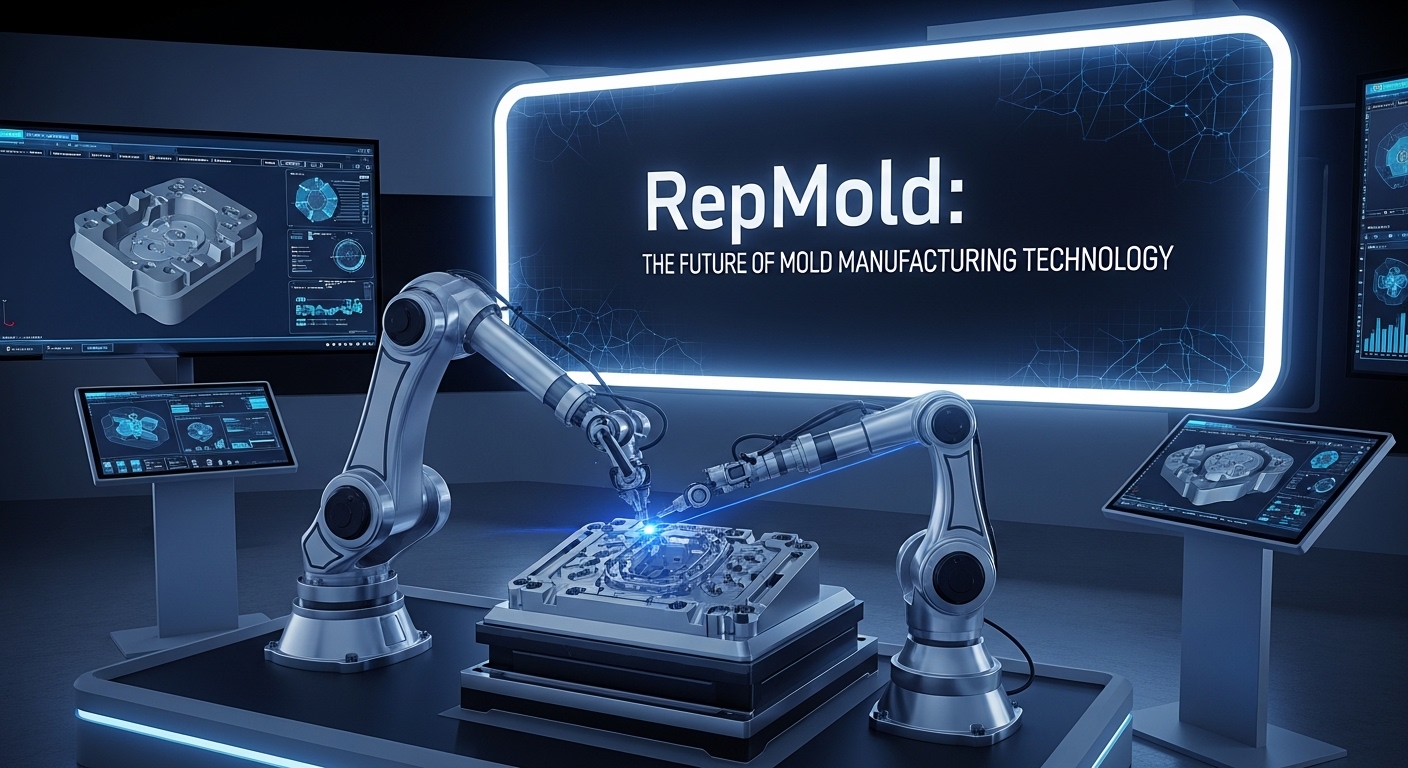
Welcome to the world of RepMold, where innovation meets efficiency in mold manufacturing technology! Imagine a process that not only streamlines production but also enhances precision and reduces waste. This revolutionary breakthrough is set to redefine how industries approach mold creation. Whether you’re an engineer, manufacturer, or simply curious about cutting-edge technology, RepMold represents a significant leap forward. Let’s dive deeper into what makes this game-changing solution so exciting and explore the future it promises for the manufacturing landscape.
Introducing RepMold: A Revolutionary Breakthrough
RepMold is not just another buzzword in manufacturing; it’s a transformative technology that stands at the forefront of mold production. This innovation harnesses advanced materials and techniques, creating molds with unparalleled precision.
What sets RepMold apart is its ability to adapt to various design specifications quickly. Traditional methods often involve lengthy setup times and significant material waste. In contrast, RepMold minimizes these inefficiencies, allowing for faster turnarounds.
This breakthrough opens doors for custom designs that were previously too complex or costly to manufacture. It empowers businesses to innovate without the usual constraints of time and resources.
As industries continue to evolve, technologies like RepMold are essential for staying competitive. The potential applications span across sectors, promising enhanced quality and performance in mold manufacturing processes worldwide.
What is RepMold?
RepMold is an innovative technology that revolutionizes the way molds are manufactured. This method leverages advanced materials and techniques to enhance the traditional molding process.
At its core, RepMold utilizes a combination of 3D printing and precision engineering. This allows for rapid prototyping and production of complex mold designs that were once considered unmanageable.
By integrating digital design with manufacturing capabilities, RepMold significantly reduces lead times. Manufacturers can create customized molds tailored to specific product requirements without the lengthy setup associated with conventional methods.
The flexibility of RepMold also opens doors for various applications across different industries. From automotive to consumer goods, this cutting-edge approach meets diverse needs while maintaining high standards of quality and efficiency.
The Evolution of Mold Manufacturing Technology
Mold manufacturing technology has come a long way since its inception. Initially, artisans crafted molds by hand, resulting in lengthy production times and limited precision. As industries advanced, so did the methods.
The introduction of metal casting brought about significant improvements. This technique allowed for more durable molds but still faced constraints regarding design complexity.
With the rise of computer-aided design (CAD) in the late 20th century, manufacturers could create intricate mold designs with ease. Rapid prototyping became possible, shortening development cycles and reducing costs.
Today, innovations like 3D printing are transforming how molds are produced. These technologies enable on-demand creation of complex shapes that were once unthinkable using traditional techniques.
As we look ahead, the integration of RepMold signifies yet another leap forward in this ongoing evolution. The future promises even greater efficiency and customization possibilities for various sectors reliant on mold manufacturing technology.
How RepMold Works
RepMold operates by harnessing advanced additive manufacturing techniques. This innovative process allows for precise control over material deposition, layer by layer.
At its core, RepMold utilizes a combination of 3D printing and traditional molding methods. This hybrid approach enables the creation of complex mold geometries that were previously challenging to achieve.
The system starts with a digital model created using CAD software. Once designed, the model is translated into instructions for the printer. The machine then builds the mold from materials like thermoplastics or metals.
Each layer fuses seamlessly with the previous one, resulting in a robust final product. With real-time monitoring capabilities, adjustments can be made during production to ensure high accuracy and quality.
This method reduces waste significantly compared to conventional practices. Manufacturers can produce molds faster while maintaining durability and precision throughout each stage.
Advantages of RepMold over Traditional Methods
RepMold brings several advantages that traditional mold manufacturing methods simply can’t match. One significant benefit is speed. With RepMold, the production cycle shrinks dramatically, enabling faster turnaround times for complex designs.
Another advantage lies in precision. The technology allows for extraordinary detail and accuracy, reducing material waste and minimizing errors during production.
Cost efficiency also stands out as a key strength of RepMold. Lower setup costs and reduced labor requirements create savings that manufacturers can reinvest into innovation or other projects.
Flexibility is another game-changer. Manufacturers can easily adapt to design changes without lengthy retooling processes, making it simpler to respond to market demands.
Sustainability plays an important role. Reduced waste generation contributes positively to environmental goals while maintaining high-quality output across various industries.
Applications and Industries using RepMold
RepMold technology is making waves across various industries. Its versatility allows for applications in automotive manufacturing, where precision and speed are crucial.
The consumer goods sector also benefits greatly. With RepMold, brands can produce intricate designs that enhance product appeal without sacrificing durability.
In the aerospace industry, weight reduction is vital. RepMold’s lightweight materials help meet stringent regulations while ensuring performance standards remain high.
Medical devices represent another exciting frontier. Custom molds created with RepMold streamline production processes and improve patient outcomes through tailored solutions.
Even in electronics, where components require exact specifications, this innovative technology ensures reliability and efficiency in production lines.
As industries continue to evolve, the potential applications of RepMold will expand further, fostering innovation across sectors previously limited by traditional methods.
Potential Impact on the Manufacturing Industry
RepMold stands to redefine the landscape of the manufacturing industry. Its innovative approach streamlines processes, cutting down lead times significantly.
Manufacturers can now create complex molds with greater precision. This means reduced waste and lower costs, allowing companies to allocate resources more efficiently.
The ability to quickly adapt designs fosters a culture of creativity. Companies can experiment without fear of excessive investment in tooling.
Furthermore, RepMold opens doors for small businesses and startups by lowering entry barriers. Emerging players can compete on an even footing with established giants.
Sustainability also takes center stage here. The reduction in material waste aligns well with eco-friendly initiatives that many industries are adopting today.
As these changes unfold, traditional methods may face challenges in keeping up, pushing innovation further into the spotlight within manufacturing practices.
Challenges and Limitations of RepMold
Despite its innovative design, RepMold does face several challenges and limitations. One prominent issue is the initial cost of technology adoption. Many manufacturers may hesitate due to significant upfront investment.
Another hurdle lies in material compatibility. Not all materials can be effectively used with RepMold, limiting its application in certain industries that rely on specific substances.
Additionally, production speed can still lag behind traditional methods for high-volume runs. While RepMold offers precision, this may not always match the efficiency needed for mass production.
Training personnel to operate new machinery also poses a challenge. Companies must invest time and resources into proper training programs to ensure effectiveness.
Regulatory hurdles could slow down widespread acceptance of RepMold technology across various sectors as compliance standards evolve alongside innovations.
Future Developments and Possibilities for RepMold
The future of RepMold is brimming with potential. As technology advances, we can expect enhancements that will further refine the mold manufacturing process. Innovations in materials science may lead to stronger, lighter molds tailored for specific applications.
Integration with AI and machine learning could revolutionize how designs are created and optimized. Imagine algorithms predicting the best mold shapes based on real-time data from production lines.
Sustainability is another avenue worth exploring. Future developments may focus on eco-friendly materials that reduce waste and energy consumption during production.
Collaboration across industries will also play a crucial role in shaping RepMold’s trajectory. Partnerships between tech companies and manufacturers can drive new solutions, leading to faster adoption of this groundbreaking technology.
As these advancements unfold, they promise to redefine efficiency and creativity within the manufacturing landscape. The possibilities seem endless as we look ahead at what RepMold could become.
Conclusion
RepMold stands at the forefront of mold manufacturing technology, representing a significant shift in how products are designed and produced. As industries continue to evolve, this innovative approach offers new possibilities for efficiency and customization. The advantages over traditional methods are clear—faster production times, reduced costs, and enhanced design flexibility.
As various sectors adopt RepMold technologies, we may witness transformative changes that redefine production processes across the board. However, it’s essential to acknowledge the challenges that remain. Addressing these limitations will be crucial as developers strive to enhance its capabilities further.
The future of RepMold is bright with potential developments on the horizon. Continued research could lead to advancements that solidify its place in modern manufacturing while opening doors for even more applications. Manufacturers who embrace this technology may find themselves leading the charge into a new era of innovation and productivity.
With such promising prospects ahead, keeping an eye on RepMold is vital for anyone interested in staying abreast of trends in manufacturing technology.